No products in the cart.

Understanding the Besamim Box: A Complete Guide
Fitting in the palm of your hand, a besamim box is a small ceremonial container used in the Jewish faith to hold fragrant spices. While this vessel might be a discreet part of the setting of the Shabbat table, a besamim box is proof that the smallest objects can carry the greatest significance.
The use of fragrant spices has been an important part of the Jewish faith since around 500 C.E., when the Talmud was compiled. During Havdalah, the ceremony that concludes Shabbat, the spices are blessed and then smelled. The aroma of the spice blend is believed to comfort the extra soul that is present during Shabbat and departs at the end of the day of observance.
The History of the Besamim Box
Although the Havdalah ceremony dates back centuries, the origins of the besamim box itself are less well documented. Historians believe the use of a dedicated spice container began during the medieval period, with references to besamim boxes and their depictions in artwork becoming more common between the 11th and 13th centuries.
By the 16th and 17th centuries, the use of a besamim box became more widespread. Different Jewish communities favored different design elements. Ashkenazi Jewish communities in Germany and Poland favored silver filigree towers often detailed with bells and flags. Sephardic Jewish communities spanning from Spain to the Ottoman Empire and North Africa tended to take different forms, such as fruits.
These regional differentiators allow historians to gather valuable contextual information, offering insights into the societal economic status, traditions, and cultural environments of the Jewish communities that created them. Unfortunately, many of these insights were lost due to the looting and destruction of Judaica during the Holocaust.
The Role of the Besamim Box in Jewish Tradition
The blessing and smelling of spices within a besamim box is an act only performed during Havdalah to mark the end of Shabbat. That said, besamim boxes are often displayed prominently on other Jewish holidays and within the home for their artistry and cultural significance.
Among the most diverse pieces of Judaica, besamim boxes are often intricately designed and come in a range of sizes, shapes, and materials. These distinctive characteristics make them highly sought-after collector’s items while also serving as silent reminders of the Jewish community, cultural identity, and heritage.
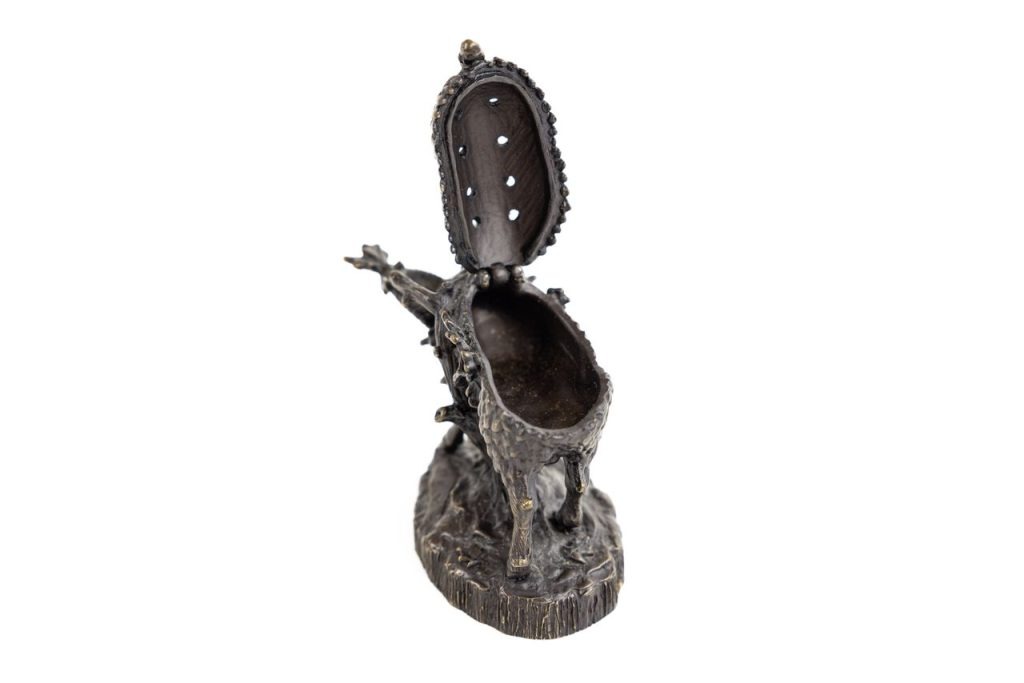
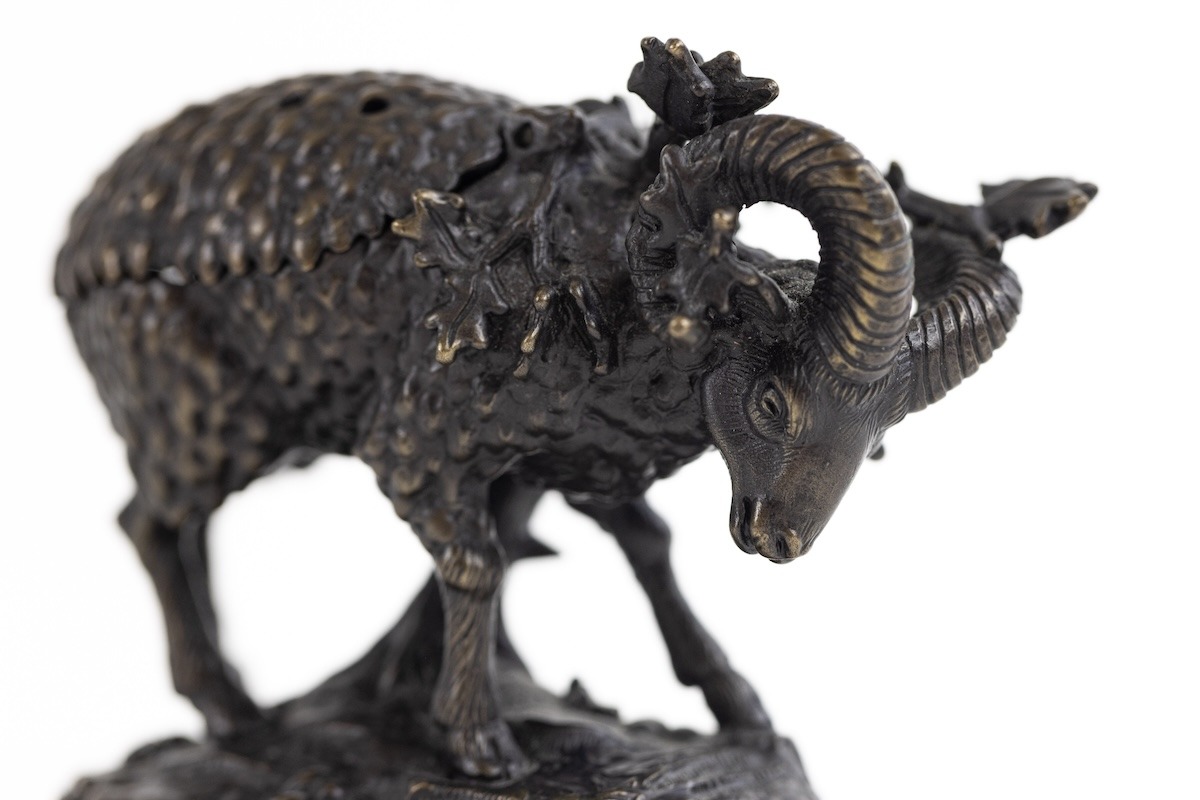
Inspired by the biblical story of Abraham’s ram, this spice box symbolizes faith, sacrifice, and God’s mercy. With its back opened, the ram reveals a hidden compartment beneath its tail, beautifully designed to hold spices.
Which Spices to Select for Your Besamim Box
When selecting spices for a besamim box, there is a wide range to choose from; the only real requirement is that the spice has a pleasant fragrance. In many Jewish homes, a popular spice blend includes cloves and cinnamon, favored for their sweet, comforting aroma. Other popular spices included are anise, nutmeg, bay leaves, allspice berries, and cardamom pods.
Besamim Boxes as Judaica
The comfort of a besamim box extends far beyond the fragrant spices it holds. Simply seeing it on holidays or holding it during Havdalah evokes cherished memories of loved ones and shared traditions. With each passing year of use, a besamim box grows in significance, representing not only the mitzvah it fulfills but the tangible link between family, faith, and values that have shaped a family’s Jewish heritage.
Explore our selection of heirloom Judaica and find beautifully crafted pieces that become part of your family’s story.