No products in the cart.

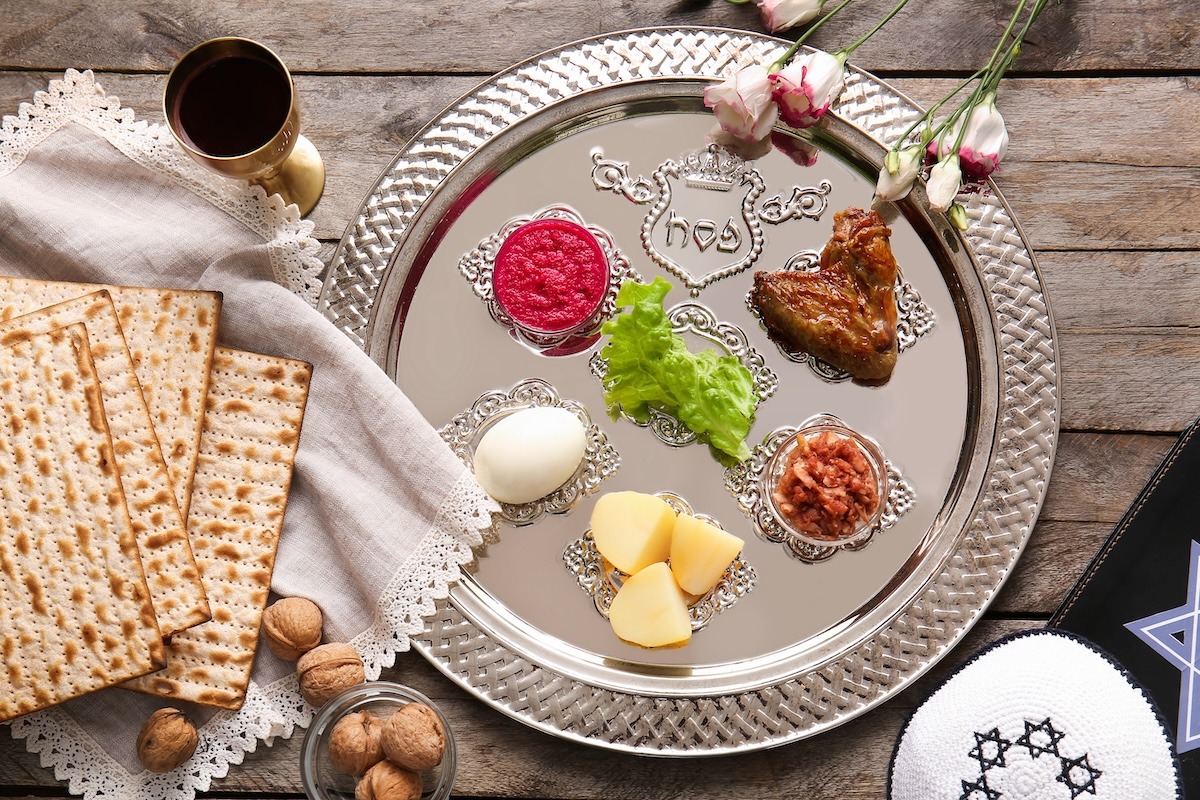
A Guide to the Seder Plate: Stories and Symbols of Passover
As winter fades and spring awakens, the blossoming flowers remind us that hope blooms within and around us. Nature’s renewal mirrors Passover’s core values, highlighting the beauty and importance of celebrating new beginnings.
In 2026, Passover, or Pesach, falls from April 1st to April 8th. While you can never plan for everything when hosting family, you can count on matzah, Seder dinner, and of course, the story of Exodus. The beauty of this holiday lies in recreating and following tradition, as through these sacred acts, we are connected to our ancestors.
A Brief History of Passover
After decades of the Israelites being enslaved in Egypt, Moses approached the Pharaoh in 13 B.C. with God’s message that his people should be freed. The Pharaoh refused to honor God’s wishes, which led God to send 10 Plagues upon the Egyptians and their land.
On the 15th of Nissan (springtime between March and April), the final plague struck Egypt, leading to the event that gave this holiday its name. The firstborn child of every Egyptian family died under the final plague, while the Israelites were spared. With that, the Pharaoh chased the Israelites out of his land, freeing them with nothing more than their unleavened bread.
The Symbolic Meaning of the Seder Plate
The first two nights of Passover call for celebration with a traditional Seder meal, a symbolic and structured ritual rooted in an immersive experience. By following the Passover story as told in Exodus 12, the food on the Seder plate symbolizes different aspects or emotions of the story.
The Seder plate provides an immersive aspect to the story, so that we are not just passing down stories, but ritualistic acts that convey the history woven into the Jewish faith.
Beitzah
Beitzah, or the roasted or hard-boiled egg, has several representations. One symbolic interpretation is that the egg symbolizes the sacrifices that the Israelites made at the Temple of Jerusalem, prior to its destruction. The second is that it represents spring and the circle of life, echoing the sentiment that even in the hardest of times, rebirth is possible.
Zeroa
The Zeroa is a shank bone that is presented on the plate for symbolic reasons. While not an item that can be actively consumed, it serves to represent the sacrificial lamb before the Israelites left Egypt, and continued to offer it before their temple was destroyed.
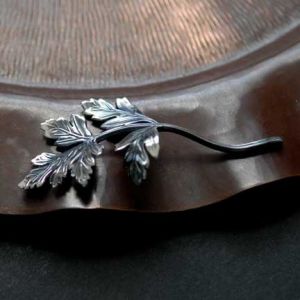
Our hand-hammered copper Seder Plate, adorned with finely cast sterling silver symbols of Passover, brings together Syrian and Persian artistry with 19th-century English design.
Charoset
Mixing apple, nuts, spices, and wine creates Charoset. The mixture becomes a paste-like consistency, representing the mortar the enslaved Israelites used in the Pharaoh’s buildings.
Karpas
Parsley, or a green vegetable, is dipped into saltwater. This step is metaphoric for the Israelites initial flourish in Egypt and how that success was then turned into slavery and heartache, the salt water mirroring the tears and sadness. This sprig of green is also meant to symbolize spring and the sense of possibility innate to that time of year.
Maror
Maror is a bitter herb. It is common in most practices to use horseradish to capture the bitterness of slavery. To help subdue the sharp flavor, some dip the Maror into the Charoset. Something important to note is not to buy pre-packaged or jarred horseradish, as it is often sweetened and not as bitter as it should be.
Chazere
Not all branches of Judaism believe in the need for two bitter herbs on a plate. However, most sectors include Chazere, or lettuce, on their Seder plate
Matzah
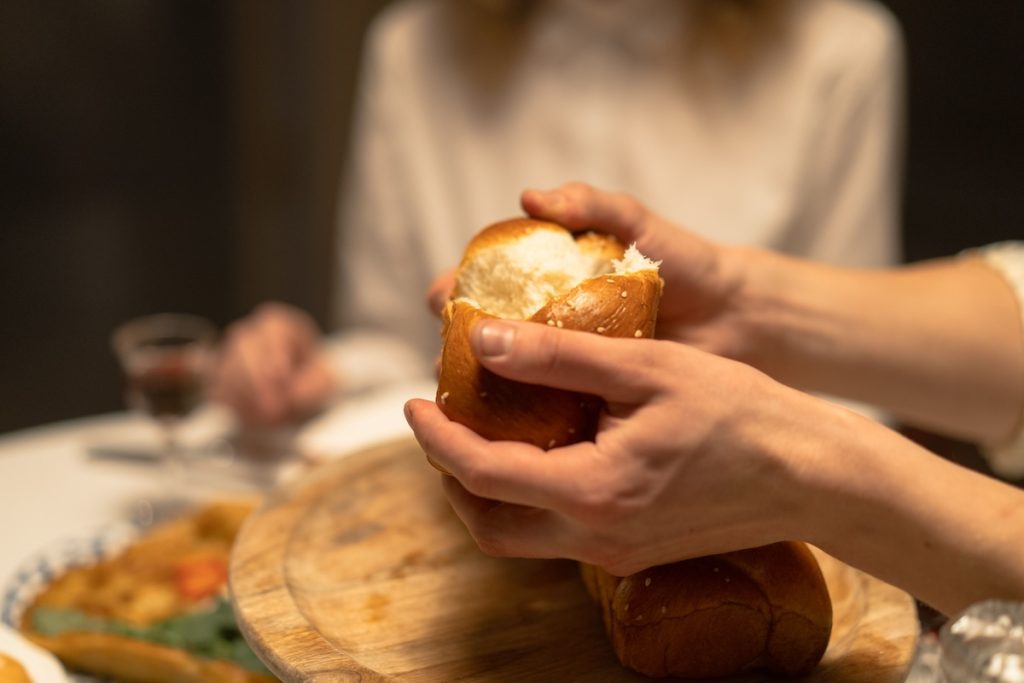
While not always on a Seder plate, they are certainly placed on a Seder table. Matzah represents the unleavened bread the Israelites took with them in their hurried escape from Egypt, which is also why eating leavened foods is prohibited during the holiday.
Choosing Your Seder Plate
While there is no rule regarding the material that a Seder plate has to be made from, most families choose a plate constructed of porcelain or copper, as they are both durable and usually beautifully detailed. Investing in a high-quality Seder plate creates a tradition within itself, as not only are you passing down the rituals of your ancestors, but an intimate part of your familial history.
Sources
- https://www.chabad.org/holidays/passover/pesach_cdo/aid/871715/jewish/What-Is-Passover-Pesach.htm
- https://www.myjewishlearning.com/article/the-seder-plate/
- https://reformjudaism.org/jewish-holidays/passover/learn-about-passover-seder-plate#:~:text=The%20seder%20plate%20holds%20ritual%20foods%20used,by%20Hebrew%20slaves%20to%20build%20Egyptian%20structures